




.jpg)








What's the Difference Between Fractional Ownership and Charter?
Private aviation offers several ways to fly, but the two most common options for frequent travelers are fractional jet ownership and on-demand charter. Both get you off commercial airlines and into the cabin of a private aircraft—but the financial commitment, flexibility, and overall experience differ significantly.
Fractional ownership means purchasing a share of a specific aircraft, typically ranging from 1/16th to 1/2 of the plane. You're a part-owner, entitled to a set number of flight hours annually. On-demand charter, by contrast, involves booking individual flights as needed with no ownership stake or long-term commitment.
Understanding which option fits your travel patterns can save you hundreds of thousands of dollars over time—or ensure you're not overpaying for access you don't fully use.
How Fractional Ownership Works
When you buy into a fractional program, you're purchasing equity in an aircraft managed by a provider like NetJets, Flexjet, or PlaneSense. Your ownership share determines your annual flight hours. A 1/16th share typically provides around 50 occupied hours per year, while a 1/4 share delivers approximately 200 hours.
Fractional owners pay three main costs: the initial share purchase (which can range from $500,000 to several million dollars depending on aircraft type), monthly management fees covering maintenance, crew salaries, hangar space, and insurance, and hourly fees charged each time you fly.
The appeal is guaranteed access to a specific aircraft type and the ability to build equity—though aircraft depreciate, so the "investment" aspect is often overstated. Programs also offer the convenience of shorter call-out times, sometimes as little as 4-10 hours' notice.
How On-Demand Charter Works
Charter flights operate on a per-trip basis. You contact a charter broker or operator, provide your travel details, and receive quotes for available aircraft. There's no upfront capital outlay, no monthly fees, and no long-term commitment.
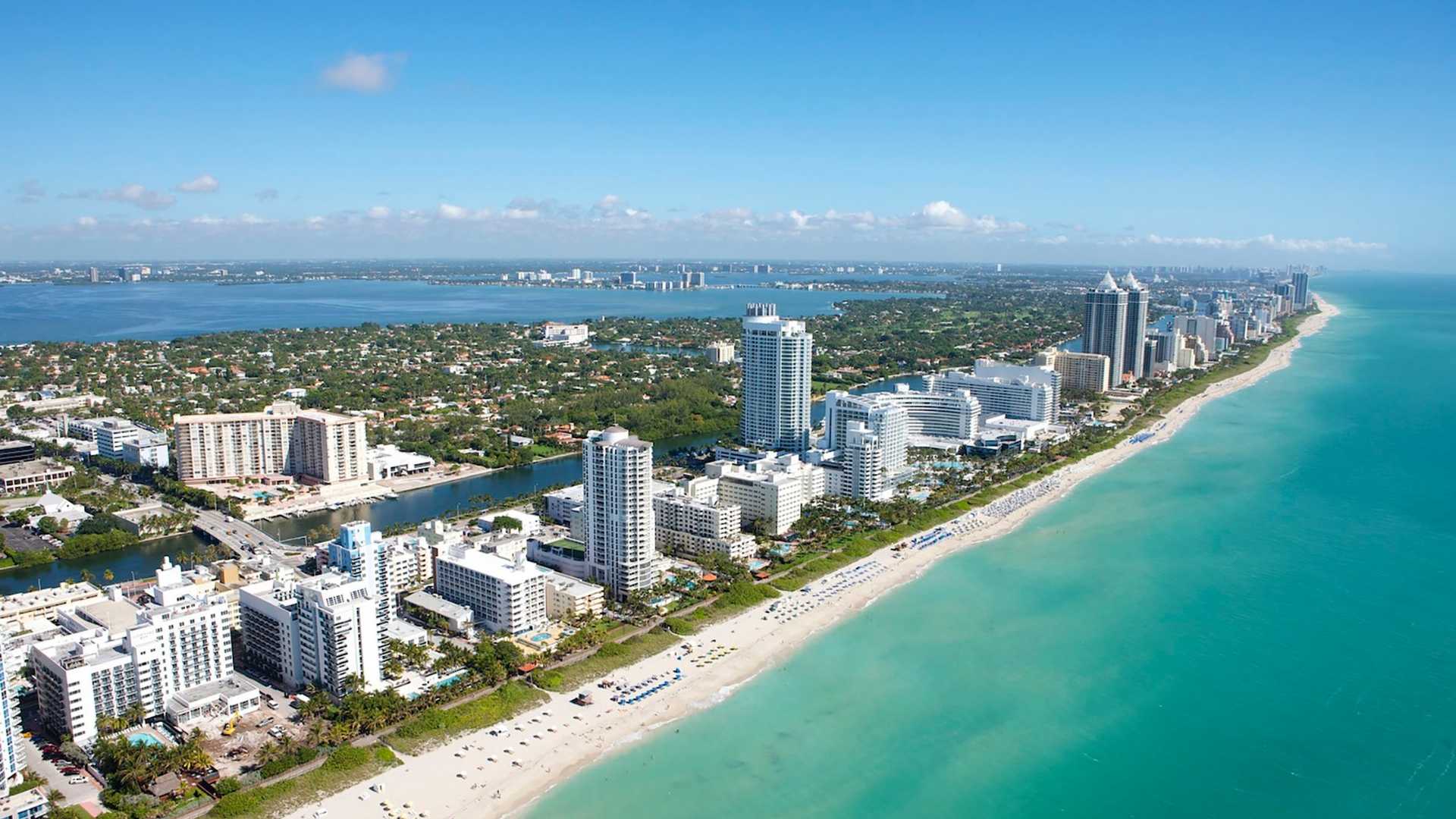
Charter pricing is based on the specific aircraft, route, and timing of your trip. A light jet from New York to Miami might cost $15,000-$20,000 one-way, while a heavy jet coast-to-coast could run $40,000-$60,000 or more. You pay only when you fly.
Working with an experienced charter broker gives you access to thousands of aircraft across multiple operators, often providing more options than a single fractional fleet can offer. Brokers also handle safety vetting, ensuring the operators they work with meet rigorous standards.
Comparing Costs: When Does Each Option Make Sense?
The break-even point between fractional and charter typically falls around 50-100 flight hours annually, depending on the aircraft category and how you value guaranteed availability.
For travelers flying fewer than 50 hours per year, charter almost always costs less. You avoid the capital outlay, skip the monthly management fees, and pay only for the flights you actually take. If your travel schedule is unpredictable or varies significantly year to year, charter provides financial flexibility that fractional programs can't match.
For travelers consistently flying 100+ hours annually on similar routes, fractional ownership may offer better per-hour economics—but only if you fully utilize your allotted hours. Unused hours in most programs don't roll over indefinitely, meaning you pay for time you don't fly.
The hidden costs of fractional ownership often surprise buyers. Monthly management fees typically range from $8,000-$25,000+ depending on the aircraft, and these fees are owed regardless of how much you fly. Fuel surcharges, peak-day premiums, and repositioning fees can inflate your actual cost well beyond the quoted hourly rate.
The Flexibility Factor
Fractional programs tout guaranteed availability, but the reality includes restrictions that charter doesn't impose. Most programs designate blackout dates—peak travel periods like Thanksgiving, Christmas, the Super Bowl, and major golf tournaments—when booking becomes difficult or impossible without significant advance notice.
"The best aircraft for your trip isn't always the one you own a share of—it's the one that fits your mission, your schedule, and your budget."
Charter offers true flexibility. Need to fly on the Wednesday before Thanksgiving? A broker can source available aircraft from across the market. Want to change your departure time the morning of your flight? Charter accommodates last-minute adjustments that fractional programs penalize.
For business travelers with unpredictable schedules, charter's adaptability often outweighs the theoretical convenience of fractional ownership.

Aircraft Selection and Consistency
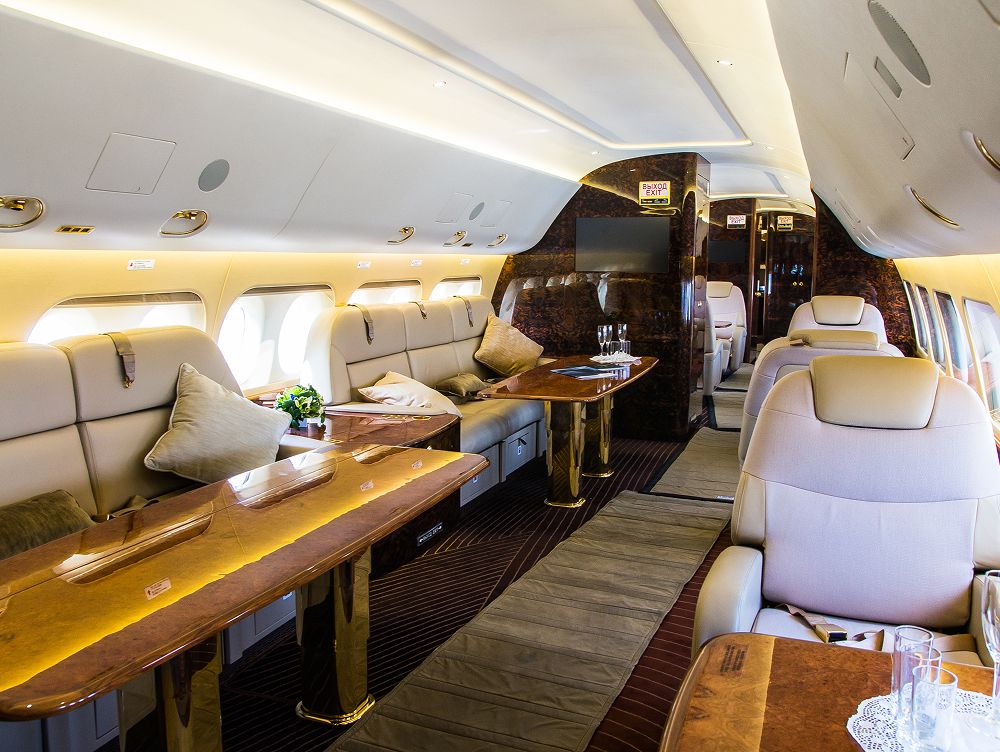
Fractional ownership guarantees access to a specific aircraft type. If you purchase a share in a Challenger 350 program, you'll always fly on a Challenger 350 (or equivalent substitute). This consistency appeals to travelers who value familiarity and know exactly what cabin experience to expect.
Charter opens the entire market. For a weekend golf trip with three friends, you might choose a light jet. For a transatlantic business trip, you could book a Gulfstream G650. Charter lets you match the aircraft to the mission rather than fitting every trip into a single aircraft type.
This flexibility also means charter clients can take advantage of empty leg opportunities—discounted repositioning flights that can reduce costs by 50-75% when routes align with your travel needs.
The Supplemental Flight Desk Alternative
Many fractional owners discover they need more flexibility than their program provides. Blackout dates, depleted hours, or last-minute travel requirements push them toward supplemental solutions.
Rather than purchasing additional fractional shares, savvy owners work with charter brokers who specialize in supplemental flight desk services. This hybrid approach lets you keep your fractional share for planned travel while accessing the broader charter market when your program falls short.
A good broker will compare the cost of using your fractional hours against chartering the same trip, ensuring you always choose the most economical option. Sometimes flying charter—even when fractional hours are available—costs less when you factor in fuel surcharges, peak-day fees, and repositioning charges.
Safety Considerations
Both fractional programs and reputable charter brokers prioritize safety, but the verification process differs.
Fractional fleets operate under consistent standards set by the program. Maintenance, pilot training, and operational procedures are standardized across the fleet. For owners, this provides peace of mind through uniformity.
Charter requires due diligence. Working with a broker who conducts thorough safety vetting is essential. Look for brokers who verify operator certifications, review maintenance records, confirm pilot training and experience, check insurance coverage, and use third-party safety auditing services like WYVERN or ARGUS.
The best charter brokers apply safety standards that meet or exceed fractional program requirements—but not all brokers are equally rigorous. Asking about a broker's vetting process should be part of any charter booking.
Which Option Is Right for You?
Choose fractional ownership if:
- You fly 100+ hours annually on consistent routes
- You value having a specific aircraft type guaranteed
- You have the capital for the initial share purchase and ongoing fees
- You can plan most travel well in advance to avoid blackout conflicts
Choose on-demand charter if:
- You fly fewer than 75 hours annually
- You want flexibility to match aircraft to each trip
- You prefer avoiding capital outlay and monthly obligations
- You travel during peak periods when fractional availability is limited
- You want access to empty leg discounts
Consider a hybrid approach if:
- You own a fractional share but find yourself hitting blackout restrictions
- You need overflow capacity beyond your allotted hours
- You want to compare costs on each trip to ensure optimal value
Making the Decision
Private aviation is personal. Your travel patterns, financial situation, and priorities determine which option delivers the best value. For many travelers, the answer isn't fractional or charter—it's knowing when to use each.
If you're currently evaluating your options, a cost comparison can clarify the picture. Understanding what you're actually paying per hour with your fractional program—including all fees and surcharges—versus what comparable charter flights would cost often reveals opportunities to fly more efficiently.
The Jet Guys specializes in helping travelers navigate these decisions. Whether you're exploring your first private flight or looking to optimize an existing fractional share, our team can provide a complimentary comparison tailored to your specific travel needs.